



 You are here:

-
SubmitRequirements
-
Planning and design
-
Technology development
-
Maintenance modification
-
After-sales service
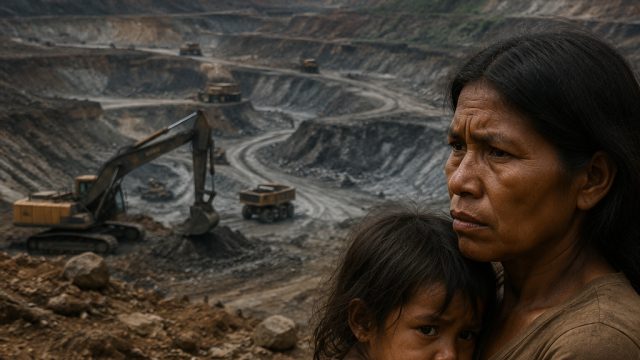
Introduction: The Intersection of Energy and Ethics
In recent years, the demand for critical minerals has surged significantly, driven by the global transition towards clean energy technologies. However, this boom is not without its dark side. A new report from a UK-based non-governmental organization (NGO) reveals that human rights allegations in mining regions associated with these essential minerals have spiked by an alarming 73%. This drastic increase raises critical questions about the ethics of sourcing materials that are vital for renewable energy systems.
The Mining Boom and Its Consequences
The clean energy movement hinges on the extraction of minerals such as lithium, cobalt, and nickel, which are fundamental for batteries and other technologies. While the transition is necessary for combating climate change, the report highlights the often-overlooked human costs involved in this mining rush.
Key Findings from the Recent Report
The report details several concerning trends:
- Increased protests and community pushback against mining operations.
- A surge in lawsuits related to environmental degradation and human rights violations.
- Reports of unsafe working conditions and exploitation of miners, especially in developing countries.
This data indicates a troubling pattern where the pursuit of clean energy may inadvertently perpetuate human rights abuses.
The Global Response to Human Rights Concerns
As awareness of these issues grows, stakeholders from various sectors, including NGOs, governments, and consumers, are beginning to take action. The report calls for:
- Stricter regulations on mining operations to ensure ethical sourcing.
- Transparency in supply chains to hold companies accountable for their practices.
- Investment in community development and support for local populations affected by mining activities.
These steps are crucial for building a more sustainable mining industry that respects fundamental human rights.
Consumer Awareness and Ethical Choices
In today's market, consumers are increasingly concerned about the ethical implications of their purchases. As companies capitalize on the clean energy trend, they must recognize their responsibility to ensure that their supply chains do not contribute to human rights violations.
Brands can enhance their reputations and foster customer loyalty by adopting fair practices and transparently communicating their efforts to address human rights issues. This is not just a legal obligation but a moral imperative as well.
Conclusion: The Path Forward
The findings of this report serve as a wake-up call for the clean energy sector. There is a pressing need for a balanced approach that prioritizes both environmental sustainability and human rights. The transition to renewable energy should not come at the expense of vulnerable communities.
As we push towards a more sustainable future, it is essential to integrate ethical considerations into our mining practices, ensuring that the quest for critical minerals respects the rights and dignity of all individuals involved. The way forward lies in responsible sourcing and accountability, paving the way for a cleaner, fairer energy landscape.
 Previous

