



 You are here:

-
SubmitRequirements
-
Planning and design
-
Technology development
-
Maintenance modification
-
After-sales service
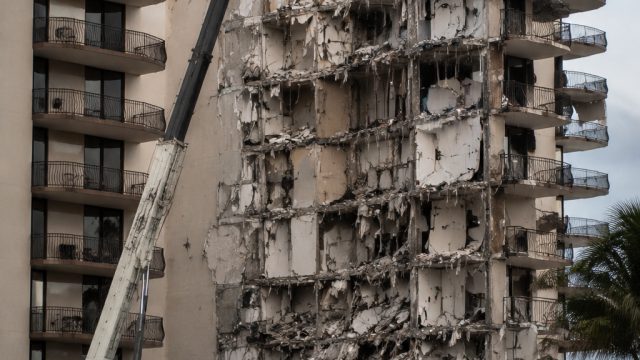
Understanding the Gradual Collapse of Florida's Champlain Towers
In the wake of the tragic collapse of the Champlain Towers South in Surfside, Florida, new findings have emerged that shed light on the events leading up to the disaster. This probe reveals critical insights into how the structural weaknesses of the building developed over a prolonged period, emphasizing the importance of building safety assessments.
The Timeline of Failure
According to recent reports from federal investigators, the collapse did not occur suddenly. Instead, it was the result of structural issues that had been deteriorating for several weeks. These findings raise essential questions about building maintenance and safety protocols across similar structures.
Initial Signs of Trouble
- Residents had reported unusual water damage.
- Visible cracks appeared in the concrete.
- Concerned residents expressed their fears to management.
The signs were present long before the building’s catastrophic failure, suggesting that the issues had been ignored or inadequately addressed. The investigation highlights the need for rigorous inspections and timely repairs to prevent such tragedies in the future.
Lessons Learned from the Investigation
The findings from the National Institute of Standards and Technology (NIST) provide a comprehensive analysis of the factors that contributed to the collapse. By identifying these factors, stakeholders can take proactive measures to enhance the safety of buildings across the country.
Key Contributing Factors
- Aging infrastructure and lack of maintenance.
- Inadequate response from the building management to reports of deterioration.
- Poor communication between residents and management regarding safety concerns.
Each of these factors played a critical role in leading up to the collapse, underscoring the importance of thorough inspections and responsive management practices.
The Call for Action in Building Regulations
As these insights come to light, the question remains: what can be done to prevent future incidents? Experts are calling for a reevaluation of building codes and maintenance requirements. This includes the implementation of stricter regulations that govern building inspections and maintenance schedules.
Proposed Changes in Regulations
- Mandatory periodic structural assessments for older buildings.
- Stronger enforcement of maintenance requirements.
- Improved communication channels for residents to report issues.
By addressing these areas, we can create safer living environments for residents and prevent the heartbreak experienced by families affected by similar tragedies.
A Community's Healing Journey
Five years after the collapse, the Surfside community still feels the impact of this tragedy. The lack of a memorial site has sparked discussions about respect and remembrance for those lost. Setting up a memorial not only honors their memory but also serves as a reminder of the importance of building safety.
Importance of Remembrance
- A memorial site is vital for community healing.
- It serves as a reminder of the need for vigilance in building safety.
- It encourages ongoing dialogue about structural integrity in housing.
As we reflect on this devastating event, it becomes clear that there is much work to be done. By taking the lessons learned from the Champlain Towers collapse seriously, we can ensure that future generations have safer homes.
Conclusion
The investigation into the Champlain Towers South collapse reveals a critical narrative about accountability and the need for proactive measures in building management. As we move forward, it is essential to embrace these lessons to protect lives and foster a culture of safety. The time for change is now, and we must act decisively to prevent future tragedies.
 Previous

