



 You are here:

-
SubmitRequirements
-
Planning and design
-
Technology development
-
Maintenance modification
-
After-sales service
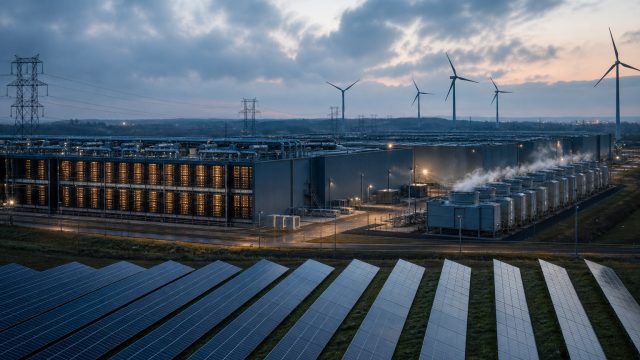
In the midst of a global push for sustainability, a paradox emerges: the very companies advocating for clean energy are often the same ones increasing their carbon footprints. This article delves into the complexities of Big Tech's environmental commitments, particularly how their investments in clean energy initiatives contrast sharply with their escalating emissions.
The Paradox of Investment and Emissions
Major technology corporations have pledged billions of dollars toward renewable energy projects and sustainability initiatives. However, recent data reveals a troubling trend: while funding for green technology is on the rise, so too are the carbon emissions generated by these firms.
Current Emission Trends
According to recent reports, the combined emissions from leading tech giants have surged to alarming levels. Companies like Amazon, Google, and Microsoft, while marketing their clean energy ambitions, have also seen increased energy consumption driven by data centers, cloud services, and expansive logistics networks. This situation raises questions about the sincerity and effectiveness of their sustainability initiatives.
Investment in Clean Energy: A Double-Edged Sword
As Big Tech invests heavily in renewable energy sources, it's crucial to analyze the actual impact of these investments. While funding for wind, solar, and other sustainable projects has increased, many of these companies still rely significantly on fossil fuels to power their operations.
Understanding the Gaps
- Renewable Energy Sources: Although many tech companies are increasing their purchases of renewable energy, they often engage in practices that offset their emissions rather than eliminate them.
- Environmental Accountability: There is a growing demand for transparency in how these companies report emissions and their efforts towards sustainability.
- Regulatory Pressure: Governments worldwide are beginning to impose stricter regulations on emissions, compelling tech firms to rethink their energy strategies.
Why This Matters Now
As the world grapples with the climate crisis, the actions of major corporations have significant implications for future environmental policies and public sentiment. The contradiction between Big Tech's green promises and their emissions profiles could undermine public trust and slow down the global transition to renewable energy.
The Role of Consumers and Investors
Consumers and investors are increasingly prioritizing sustainability in their decisions. Companies that fail to align their operations with their sustainability rhetoric risk losing market share and investor confidence.
Conclusion: The Path Forward
The challenge for Big Tech is clear: they must reconcile their investments in clean energy with tangible reductions in emissions to maintain credibility with consumers and stakeholders. The future of the planet hinges not only on the funds directed towards green initiatives but also on a genuine commitment to transforming operational practices. As we look toward a more sustainable future, it is crucial for these companies to lead by example, demonstrating that technological advancements can coexist with environmental responsibility.
 Previous

