



 You are here:

-
SubmitRequirements
-
Planning and design
-
Technology development
-
Maintenance modification
-
After-sales service
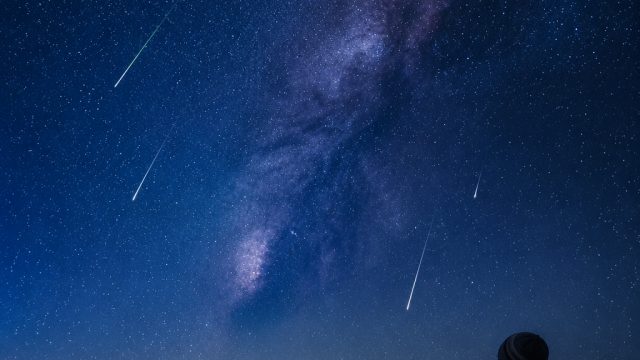
Experience the Peak of the June Bootids Meteor Shower This Week
As we approach the end of June, stargazers around the world are gearing up for a celestial spectacle—the June Bootids meteor shower. This annual event is known for its unpredictable nature, and while it often delivers only a few meteors per hour, there have been years where it has dazzled viewers with an impressive display. This week, enthusiasts are eager to catch a glimpse of what this meteor shower has to offer.
What Are the June Bootids?
The June Bootids are a meteor shower that originates from the debris left by Comet 7P/Pons-Winnecke. This shower typically runs from June 22 to July 2, with its peak occurring around the 27th of June. The meteors are named after the constellation Boötes, where they appear to radiate from. Despite its potential for dramatic displays, the June Bootids have a reputation for being erratic, fluctuating significantly in visibility from year to year.
Why This Meteor Shower Matters Now
In an era where light pollution and urbanization impede our ability to connect with the night sky, events like the June Bootids remind us of the beauty and mystery of our universe. Observing meteor showers not only feeds our curiosity but also inspires a deeper appreciation for astronomy. This week’s peak presents an opportunity for families and astronomy enthusiasts to step outside, unplug from digital distractions, and enjoy a shared experience under the stars.
When and Where to Watch
The best time to observe the June Bootids this year is during the late night hours, particularly just before dawn. Although the shower is not expected to produce a high number of meteors, those willing to venture out could still catch a few streaks of light in the sky.
Optimal Viewing Conditions
- Choose a location away from city lights.
- Find a spot with a clear view of the sky, preferably at higher elevations.
- Be patient; the meteors may be sporadic.
- Allow your eyes to adjust to the darkness for at least 20 minutes.
The Unpredictable Nature of the June Bootids
Unlike more consistent meteor showers such as the Perseids or Geminids, the June Bootids can be immensely variable. Historical data shows that certain years, like 1998, provided extraordinary displays with rates soaring into the dozens of meteors per hour. However, in most years, the activity can be disappointingly low, making every observation a gamble.
What to Expect This Year
This year’s meteor shower is not forecasted to provide an outburst, so observers may see a modest rate of meteors. Nonetheless, any visible meteors can still be thrilling to watch, especially for those who appreciate the effort it takes to spot them. Those interested in astronomy may also leverage this opportunity to engage with community events or educational programs that coincide with the meteor peak.
Tips for Stargazing During the June Bootids
To enhance your viewing experience during the June Bootids, consider the following tips:
- Bring along a blanket or reclining chair for comfort.
- Pack snacks and drinks for a longer viewing session.
- Use binoculars or a telescope for a broader view of the sky's features.
- Share the experience with friends or family, making it a group outing.
Conclusion: Embrace the Wonder of the Night Sky
As the June Bootids meteor shower reaches its peak this week, take the opportunity to connect with the cosmos. Whether you are a seasoned astronomer or a casual observer, witnessing the fleeting beauty of meteors can be a remarkable experience. So gather your loved ones, find a dark spot, and look up. You may just be rewarded with a glimpse of a shooting star against the vastness of the universe.
 Previous

