



 You are here:
 Examining the Cultural Legacy of the Bayeux Tapestry Today
Key Takeaways
- The Bayeux Tapestry illustrates the Norman Conquest of 1066.
- It serves as a historical narrative on class dynamics in medieval England.
- This artwork has influenced modern debates on identity and power.
- Analysis of the tapestry can reveal insights into gender roles of the era.
- Its impact persists in contemporary discussions about cultural representation.
The Bayeux Tapestry: A Reflection of Conquest and Class
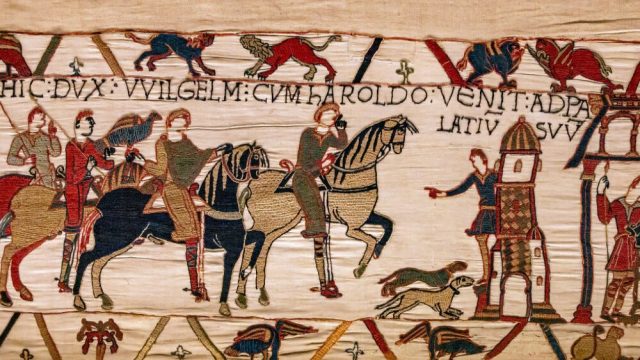
The Bayeux Tapestry stands as one of the most significant works of art from the medieval period, offering a vivid portrayal of the events leading up to the Norman Conquest of England in 1066. More than just a decorative artifact, this tapestry is a narrative that encapsulates the complexities of power, identity, and social structure in an era marked by upheaval and transformation. Its relevance extends beyond history, penetrating the realms of culture and class in contemporary discussions.
Historical Context and Its Modern Relevance
The tapestry, measuring nearly 70 meters long, depicts the invasion of England by William the Conqueror. It showcases a variety of scenes that highlight not only military strategy but also the social hierarchies of the time. Each character is carefully embroidered, narrating not just the story of conquest but also the implications of class distinctions. In today's context, this invites a deeper investigation into how these historical narratives shape current perceptions of class and identity.
Gender Roles and Societal Structures in the Tapestry
As we analyze the Bayeux Tapestry, it's essential to consider the representation of gender roles within its scenes. The female figures portrayed often take on supportive roles, reinforcing the patriarchal structure significant in the medieval era. By examining these depictions, we can identify parallels in modern society, where discussions about gender equality and representation continue to evolve.
Impact on Contemporary Society
Today, the tapestry serves as a focal point for debates on cultural representation and identity. Its depiction of conquest raises questions about colonialism and the narratives that history chooses to highlight. Furthermore, as societies become increasingly diverse, the relevance of these themes becomes even more pronounced. How do stories like those in the tapestry shape our understanding of social dynamics in a globalized world?
Conclusion: A Tapestry of Reflection
The Bayeux Tapestry remains a vital piece of cultural heritage that fosters ongoing dialogue about power, identity, and societal structures. Its historical significance extends well into modern discussions on class and gender, serving as a reminder of the narratives that shape our identities. As we continue to explore and reinterpret this masterpiece, we glean insights not just about the past but about the present and future of societal dynamics.
 Previous



