You are here:
 Colorado's Bold Step: Free School Meals for Every Student
Key Takeaways
- Proposition LL and MM aim to provide free meals to all public K-12 students in Colorado.
- Funding comes from a tax on the state's wealthiest residents.
- The initiative addresses child nutrition and educational performance.
- Implementation is expected to start in the 2024-2025 academic year.
- Support for the measure was broad, reflecting community commitment to child welfare.
The Importance of Nutrition in Education
The passage of Propositions LL and MM in Colorado signifies an urgent response to the growing recognition of the link between nutrition and education. With many children lacking access to healthy meals, this initiative aims not only to boost physical health but also to enhance academic performance. Studies consistently show that well-nourished children perform better in school, leading to improved grades and higher graduation rates.
Impact on Students
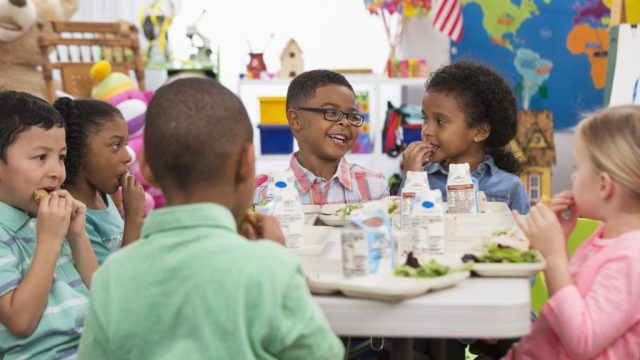
Free meals for all public K-12 students will ensure no child goes hungry during school hours. This is particularly crucial in areas where socioeconomic factors hinder access to nutritious food. By providing consistent, healthy meals, Colorado is investing in its future workforce, setting the stage for healthier, more engaged citizens.
The Funding Model
Funding for this initiative will be sourced from a tax on the wealthiest individuals in the state. This progressive tax approach not only addresses wealth inequality but also ensures that essential services like education receive the funding they need. The long-term benefits can lead to reduced healthcare costs and a more productive populace.
Community Support for the Initiatives
The approval of these propositions was met with overwhelming community support, showcasing a collective commitment to child welfare and educational reforms. Parents, educators, and public health advocates rallied behind the measures, emphasizing the importance of addressing food insecurity in schools.
How This Affects the Local Economy
Investing in free school meals may also have ripple effects on the local economy. By supporting local farms and food suppliers, the initiative can stimulate job growth while ensuring that children receive the freshest ingredients. This approach fosters a sustainable food system that benefits both students and local businesses.
Looking Ahead: Implementation Timeline
The implementation of free meals for all students is expected to begin in the 2024-2025 school year. As schools prepare for this change, they will be tasked with developing plans to integrate meals into their daily schedules, ensuring every child can benefit from this program.
Conclusion: A Transformative Change
Colorado's decision to fund free meals for all K-12 students is a transformative move that highlights the importance of child nutrition in education. With effective implementation, this initiative can set a powerful precedent for other states, showcasing the impact of community-driven efforts to enhance the well-being of future generations. As similar discussions arise in other regions, Colorado's model may inspire nationwide changes in how we prioritize children's health and education.
 Previous